
Exercise Routine for Beginners: 12 Daily Habits That Make You Fit

Starting an exercise routine for beginners doesn’t have to be complicated or exhausting. Many people believe getting fit requires intense workouts or expensive gym memberships, but the truth is much simpler.
Building a consistent daily fitness routine using small, effective habits can dramatically improve your energy, strength, and overall health — even if you’re just getting started.
In this guide, you’ll discover 12 practical daily habits designed specifically for beginners. These routines are easy to follow, require little to no equipment, and can be done at home while fitting naturally into your everyday lifestyle.
Whether your goal is to lose weight, increase mobility, or simply feel more active throughout the day, this beginner-friendly exercise routine will help you take the first step toward a healthier, fitter life.
📘 Table of Contents
- Wake Up with Hydration
- Morning Mobility Routine
- High-Protein Breakfast
- 10–20 Minutes of Cardio
- Walk 8,000–10,000 Steps
- Strength Training (20–30 Minutes)
- Healthy Snacking Strategy
- Deep Work & Stress Management
- Midday Stretching Routine
- Evening Light Activity
- Night Recovery Routine
- Quality Sleep Ritual
What Is the Best Exercise Routine for Beginners?
The best exercise routine for beginners focuses on simple, low-impact movements that build strength, improve flexibility, and increase endurance without overwhelming the body.
A beginner-friendly fitness routine typically includes light cardio, basic bodyweight exercises, and short daily activity sessions. Consistency is more important than intensity, especially during the early stages of starting a fitness journey.
By following a structured daily routine and gradually increasing activity levels, beginners can safely improve their fitness while reducing the risk of injury and burnout.
Why Beginners Need a Structured Exercise Routine
Many beginners start exercising with motivation but quit after a short time because they lack structure. A well-planned exercise routine for beginners provides direction, balance, and realistic expectations, making it easier to stay consistent and avoid frustration.
Without a clear routine, beginners often overtrain, skip important recovery time, or focus on the wrong types of exercises. This can lead to fatigue, injuries, or a complete loss of motivation.
A structured daily fitness routine helps beginners:
- Build healthy habits without overwhelming the body
- Improve strength, flexibility, and endurance gradually
- Reduce the risk of injury and burnout
- Stay consistent with realistic and achievable goals
By following a simple and organized routine, beginners can focus on progress instead of perfection. Over time, these small daily actions create long-lasting fitness results.
How to Start an Exercise Routine for Beginners
Starting an exercise routine for beginners requires a simple and realistic approach. The goal is not to train harder, but to build consistency while allowing the body to adapt safely.
According to the Centers for Disease Control and Prevention (CDC) , adults should focus on regular physical activity that includes both movement and rest, especially when starting out.
Here are the essential steps beginners should follow:
- Start small: Begin with short sessions (10–20 minutes) to avoid burnout.
- Focus on consistency: Daily light movement is more effective than occasional intense workouts.
- Listen to your body: Rest days are part of a healthy routine, not a setback.
-
Use simple exercises: Body
Routine #1: Morning Movement to Boost Energy
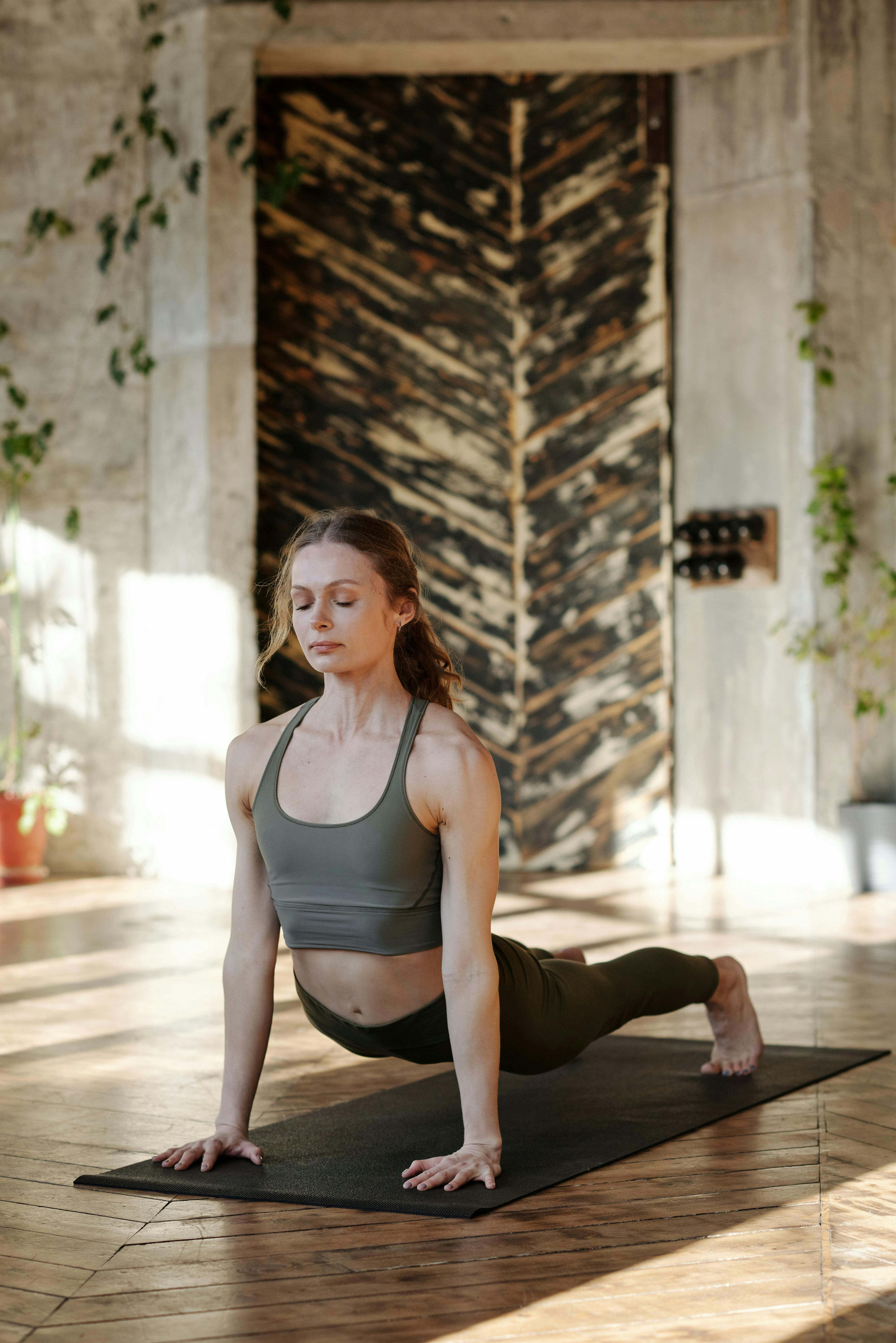
Starting your day with simple morning movements can dramatically improve your energy levels and mental clarity. This first exercise routine for beginners focuses on gentle exercises that wake up your body without strain.
Examples of morning movements include:
- 5–10 minutes of stretching (neck, shoulders, back, legs)
- Light bodyweight exercises like squats or wall push-ups
- Short brisk walk around your home or garden
According to Healthline , morning exercises not only boost metabolism but also help establish a consistent fitness habit.
Aim to complete this routine within the first 30 minutes of waking up. Gradually, as your fitness improves, you can increase duration or intensity.
Routine #2: Healthy Breakfast Habits
A nutritious breakfast kickstarts your metabolism and provides energy for the day ahead. This is a crucial part of any exercise routine for beginners as it fuels your body for physical activity.
Recommended breakfast habits include:
- Include a source of protein, like eggs, yogurt, or plant-based alternatives
- Add complex carbohydrates, such as oats, whole-grain bread, or fruit
- Drink plenty of water or herbal tea to hydrate your body
- Limit sugary cereals or processed foods that spike blood sugar
According to Mayo Clinic , eating a balanced breakfast helps maintain steady energy levels, improves concentration, and supports overall health.
Beginners should aim to eat breakfast within an hour of waking up and combine it with light morning movement to maximize benefits.
Routine #3: Hydration Throughout the Day
Staying hydrated is essential for energy, focus, and overall health. A proper exercise routine for beginners should always include consistent water intake throughout the day.
Hydration tips for beginners:
- Drink at least 8 cups (2 liters) of water daily
- Start your morning with a glass of water before breakfast
- Carry a reusable water bottle during workouts and daily activities
- Include water-rich foods like fruits and vegetables
According to CDC guidelines , staying properly hydrated helps maintain physical performance, supports metabolism, and reduces fatigue.
Pair hydration with light exercise and balanced meals to ensure beginners stay energized and can follow their daily routines effectively.
Routine #4: Midday Movement Breaks
Taking short breaks to move during the middle of the day is one of the easiest ways to stay active, especially if you have a sedentary lifestyle or work desk‑based jobs. Short movement breaks can boost your circulation, reduce muscle stiffness, and help maintain energy levels.

These breaks don’t need to be long — a few minutes of light activity can make a big difference. According to health experts, adding small bursts of movement throughout the day improves overall activity levels and supports long‑term health. 0
- Take a 5–10 minute walk every couple of hours
- Do gentle stretches at your desk or outside
- Use stairs instead of elevators when possible
- Try light bodyweight moves like toe taps or standing leg lifts
The World Health Organization emphasizes that any physical activity is better than none, and even small periods of movement help reduce sedentary behavior and improve health outcomes. 1
Routine #5: Simple Strength Training
Strength training is essential even for beginners. It helps build muscle, improve posture, and increase metabolism. Starting with simple bodyweight exercises ensures safety and gradual progress for those new to fitness.

Recommended beginner-friendly exercises:
- Bodyweight squats: 2–3 sets of 10–12 reps
- Wall push-ups: 2–3 sets of 8–10 reps
- Seated chair dips: 2 sets of 8 reps
- Standing calf raises: 2–3 sets of 12–15 reps
According to Mayo Clinic , even light strength training can improve bone density, maintain muscle mass, and enhance overall fitness.
Beginners should focus on proper form rather than heavy weights. Gradually increasing intensity over time ensures safe and sustainable progress.
Routine #6: Short Cardio Sessions
Cardiovascular exercise is vital for heart health and endurance. Short, manageable cardio sessions allow beginners to increase their stamina without overexertion. Incorporating cardio into your exercise routine for beginners boosts overall fitness and energy.

Recommended beginner-friendly cardio activities:
- Brisk walking: 10–15 minutes daily
- Light jogging or running in place: 5–10 minutes
- Jumping jacks: 2 sets of 20 reps
- Using a stationary bike or treadmill at low intensity
According to the American Heart Association (AHA) , adults should aim for at least 150 minutes of moderate-intensity cardio per week. Beginners can start small and gradually build up their endurance.
Focus on consistency rather than intensity. Even short cardio sessions performed regularly can significantly improve cardiovascular health over time.
Routine #7: Evening Stretching & Flexibility
Stretching in the evening helps relax muscles, improve flexibility, and reduce tension from daily activities. Incorporating stretching into your exercise routine for beginners promotes better posture and prepares the body for restful sleep.
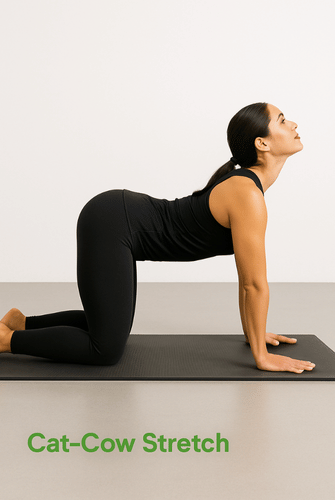
Recommended evening stretches for beginners:
- Seated forward bend: hold for 20–30 seconds
- Cat-Cow stretch: 5–10 reps
- Standing side stretch: 15 seconds per side
- Child’s pose: hold for 30 seconds
According to Mayo Clinic , regular stretching improves flexibility, reduces risk of injury, and enhances overall mobility.
Beginners should focus on gentle movements, avoid bouncing, and breathe deeply during stretches to maximize relaxation and benefit.
Routine #8: Midday Walks for Energy
Taking a short walk during the middle of the day boosts energy, improves mood, and aids digestion. Integrating this into your exercise routine for beginners helps break up long periods of sitting and maintains overall activity levels.
Tips for effective midday walks:
- Walk for 10–15 minutes at a comfortable pace
- Try to maintain good posture during the walk
- If possible, take a route with natural scenery for relaxation
- Use a pedometer or app to track steps and stay motivated
According to American Heart Association (AHA) , walking is one of the simplest and most effective forms of exercise, improving cardiovascular health and overall fitness.
Beginners should aim to include at least one midday walk daily, gradually increasing duration or pace as fitness improves.
Routine #9: Light Evening Cardio
Light cardio in the evening helps burn extra calories, supports heart health, and aids digestion. Adding this to your exercise routine for beginners ensures a balanced daily activity routine.

Beginner-friendly evening cardio options:
- Light jogging or brisk walking for 10–15 minutes
- Jump rope at a slow, comfortable pace
- Stationary cycling at low intensity
- Bodyweight cardio like step-ups or gentle jumping jacks
According to CDC Physical Activity Guidelines , even moderate evening activity contributes to daily exercise goals, improves cardiovascular fitness, and promotes overall health.
Beginners should keep the intensity low to avoid disrupting sleep, focusing on consistency and gentle movement.
Routine #10: Pre-Bedtime Relaxation & Deep Breathing
Relaxation and deep breathing exercises before bedtime help reduce stress, lower heart rate, and prepare the body for restorative sleep. Incorporating this into your exercise routine for beginners enhances recovery and overall well-being.

Suggested pre-bedtime relaxation techniques:
- Deep belly breathing: 5–10 minutes
- Gentle stretching of neck, shoulders, and back
- Meditation or mindfulness exercises
- Progressive muscle relaxation: tensing and releasing each muscle group
According to Sleep Foundation , relaxation exercises before sleep improve sleep quality, reduce insomnia symptoms, and support overall health.
Beginners should practice these techniques in a quiet, comfortable environment to maximize relaxation and promote better sleep.
Routine #11: Weekend Outdoor Activity
Engaging in outdoor activities during the weekend helps improve mood, provides vitamin D, and encourages consistent physical activity. Incorporating this into your exercise routine for beginners keeps fitness enjoyable and sustainable.

Beginner-friendly outdoor activities:
- Leisurely hiking or nature walks
- Bike rides in the park
- Light jogging or running outdoors
- Playing recreational sports like badminton or frisbee
According to World Health Organization (WHO) , outdoor activities contribute to physical, mental, and social well-being, promoting a healthy lifestyle.
Beginners should choose activities they enjoy, focus on consistency rather than intensity, and gradually increase duration and effort over time.
Routine #12: Reflection & Goal Setting
Taking time to reflect on your progress and set realistic goals is essential for long-term success. Integrating reflection into your exercise routine for beginners ensures you stay motivated and adjust routines as needed.

Steps for effective reflection and goal setting:
- Review the week’s completed routines and note achievements
- Identify areas for improvement or challenges faced
- Set realistic goals for the upcoming week
- Track progress in a journal or digital app to stay accountable
According to Psychology Today , structured goal setting enhances motivation, accountability, and long-term adherence to healthy habits.
Beginners should start small, focus on consistency, and celebrate small victories to maintain a positive mindset.
Final Thoughts
Becoming fit does not require perfection — only consistency. By adding these 12 simple routines to your day, you will create a powerful lifestyle that supports long-term fitness, mental clarity, and high energy. Remember: small habits repeated daily lead to massive transformation.